Winter Car Maintenance Checklist for Alliance Drivers
If you drive through Alliance, OH in winter, you already know the routine: cold starts, slushy roads, and quick temperature swings that can turn a calm drive into a slippery situation. winter car maintenance Alliance isn’t just about avoiding breakdowns—it’s about keeping your used Ram, Jeep, or any other pre-owned vehicle predictable when the weather changes fast. The good news? A little preparation goes a long way, and you don’t need to be a mechanic to complete a solid checklist.
Below is a practical, step-by-step winter routine you can follow at home, plus the service guidance you should consider before the cold really settles in. If you’d rather have your vehicle checked by professionals, book a service appointment so our team can help you get ready for winter driving conditions around Alliance.
Battery Performance Check
Cold weather is hard on batteries. In Alliance, OH, a battery that seems fine in fall may struggle once temperatures drop—especially for vehicles that have frequent short trips or older charging systems. Since many drivers choose used Ram trucks for work and weekend hauling, it’s worth paying attention to battery health before winter weather ramps up.
- Check the battery terminals for corrosion and ensure cables are tight; clean light buildup with a proper terminal cleaner if needed.
- Test the battery load/health (a quick test at a service center can spot weak cells before you’re stranded).
- Verify the charging system: alternator output matters just as much as battery capacity in freezing temps.
- If your Ram uses a battery that’s older than ~3–4 years, consider proactive testing even if it “starts fine.”
When mornings get brutal, weak batteries often show up as slow cranking, dim interior lights, or a delayed start. Taking a few minutes now can save you a lot of hassle later.
Tire and Tread Inspection
Winter tires and good tread are what keep traction when roads go from dry to icy. In Alliance, winter storms can bring slush, snow, and sudden black ice on shaded streets. Whether you’re driving a used pickup or an SUV, your tires are your first line of defense.
- Inspect tread depth across the tire (not just the center). If tread is uneven or low, you may lose grip faster on slick roads.
- Look for cracks, bulges, or sidewall damage—these can worsen quickly in cold weather impacts.
- Check tire pressure when tires are cold; underinflation increases wear and reduces traction on winter roads.
- Make sure the tire rotation schedule is on track to help prevent uneven tread patterns before winter hits hard.
If you drive a used Ram, pay attention to how the truck sits when loaded. Hauling gear or carrying tools changes how weight distributes across the tires, and winter traction depends on that contact patch staying stable.
Fluid Level Maintenance
Winter is a season of big fluid demands. Between freezing temperatures and heavy heater use, it’s easy to run low on essentials. Fluid levels can also reveal underlying issues early—like minor leaks or a cooling system that needs attention before temperatures drop further.
- Check engine coolant level and condition; ensure it’s appropriate for winter temperatures and not diluted with the wrong type of fluid.
- Top off windshield washer fluid with a winter-rated formula designed to resist freezing and cut through road grime.
- Inspect brake fluid levels and condition; winter driving often means more braking, especially on slick descents.
- Check transmission fluid per your owner’s manual guidance (some vehicles require specific checks at set temperatures).
Alliance drivers often deal with salt and slush. Salt can accelerate corrosion and affect components over time, so keeping fluids at correct levels helps your vehicle perform as intended and supports long-term reliability.
For drivers who rely on a used Ram for work, towing, or hauling, fluid health matters even more. If you notice any smells, unusual puddles under the vehicle, or warning lights, don’t wait—winter issues tend to escalate quickly.
Windshield Wipers and Visibility
Visibility is everything when snow, sleet, and road spray hit. Wiper blades and lights are easy to overlook—until you’re staring through streaks on a stormy evening. In Alliance winter conditions, clear sightlines help you react sooner to changing traffic and road hazards.
- Inspect wiper blades for streaking, tearing, or stiffness; replace worn blades before heavy snowfall.
- Test washer spray direction and pressure; make sure the spray covers the windshield effectively.
- Clean both inside and outside glass (interior film can reduce visibility in low winter light).
- Check headlight and taillight performance—dim bulbs reduce reaction time for you and other drivers.
If you drive a used Ram or other vehicle with frequent hauling trips, grime can build up fast on the glass and lights. A quick cleaning routine—especially before long highway drives—can make a noticeable difference.
Emergency Kit Essentials
Even with careful maintenance, winter can throw curveballs. A simple emergency kit can make the difference between a minor inconvenience and a dangerous situation while you wait for help. The goal is to be prepared for delays from snowstorms, traction issues, or unexpected flat tires.
- Keep an ice scraper and snow brush accessible, along with windshield washer fluid topped up for the season.
- Pack warm clothing, a blanket or thermal layer, and a fully charged phone with a portable power option.
- Include reflective triangles or flares (plus a flashlight with fresh batteries) for safer roadside visibility.
- Carry jumper cables or a jump starter, and don’t forget basic supplies like gloves and paper towels.
- If you have a vehicle that uses them, verify your spare tire condition and understand how to access it.
Roadside emergencies often happen when conditions are worst—late night, blowing snow, or during sudden icing. A prepared kit helps you stay calm, visible, and safe.
While many drivers focus on what to do when things go wrong, it’s just as important to reduce the odds of problems in the first place. That’s where a thorough inspection can help.
Professional Winter Service Tips
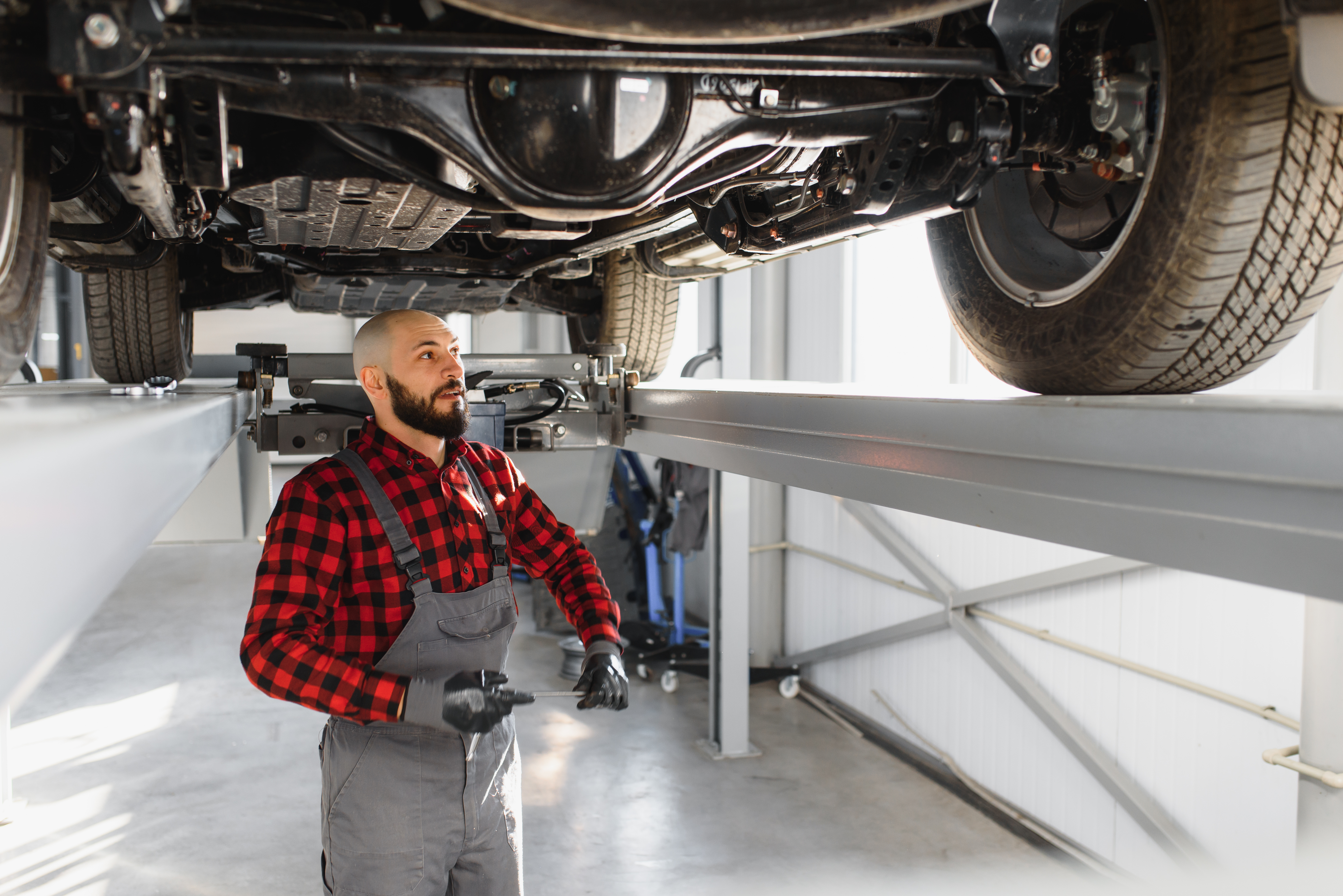
There’s only so much you can catch at home. A professional check can spot issues that don’t show up until they fail—like worn belts, aging hoses, brake concerns, or alignment problems that impact winter traction. The team at Stewart Automotive Group helps Alliance drivers keep their used Ram and other pre-owned vehicles ready for snow-season conditions through reliable service and honest recommendations.
- Ask for a winter readiness inspection: battery test, charging system check, brake inspection, and tire condition review.
- Consider a brake service or pad check if you notice longer stopping distances, squealing, or vibration.
- Verify wiper/washer system health and lighting performance so visibility stays strong in storms.
- Request a cooling system and fluid health assessment—especially if your vehicle has seen heavy winter mileage.
If you’re planning a busy season—work shifts, family travel, holiday errands—building a winter plan now is smarter than waiting until a warning light appears. When you’re ready, visit Stewart Automotive Group for professional support and guidance tailored to your vehicle’s needs. For appointments, you can also book a service appointment at the service center.
One more practical suggestion: after your first big snowstorm, take a moment to re-check tires and fluids. Salt exposure and temperature swings can reveal issues like slow leaks or underinflation that weren’t noticeable in mild weather.
Safety reminder: Before heading out in Alliance winter weather, take a few minutes to verify traction, visibility, and safe vehicle operation—if conditions worsen, slow down, increase following distance, and never drive beyond what your tires and brakes can safely handle.