Winter Car Maintenance Checklist for Alliance Drivers
Winter in Alliance, OH can change fast—milder mornings, icy afternoons, and sudden snow that turns streets into a slip-and-slide. If you drive used vehicles (including used Audi vehicles) through winter roads and potholes, the difference between a smooth commute and an emergency stop often comes down to preparation. This winter car maintenance Alliance checklist is built for real local conditions: cold starts, salt exposure, reduced traction, and visibility issues that show up when the temperature drops.
Battery Performance Check
Cold weather hits batteries hard. Even if your battery “seems fine” in fall, winter loads—heater, defroster, lights—can make weak batteries struggle. For used Audis, pay close attention to anything that impacts starting reliability.
- Check your battery terminals for corrosion and ensure they’re clean and tight; salt can accelerate buildup in Alliance winters.
- Test battery health (voltage under load is key) before the coldest weeks; ask the shop to evaluate the charging system too.
- Inspect battery cables and the mounting bracket for looseness or cracks from vibration and temperature cycling.
- If you have an older battery, consider proactive replacement before it drops below reliable starting performance.
Tire and Tread Inspection
Your tires are the only contact patch that matters on snow and slush. In Alliance, you’ll likely see everything from light flurries to heavy wet snow that sticks to tread. A quick tire check can reduce the odds of wheel spin, hydroplaning on slushy surfaces, and long stopping distances.
- Inspect tread depth and look for uneven wear; uneven patterns can signal alignment or suspension issues that worsen winter handling.
- Check tire pressure when tires are cold; temperatures drop overnight and underinflation can lead to poor grip.
- Examine sidewalls for cracks, bulges, or damage—winter roads can expose weaknesses faster than dry pavement.
- Confirm you have adequate winter tires (or all-season traction) for your driving habits; if you commute early mornings, prioritize grip.
Fluid Level Maintenance
Winter fluid maintenance helps prevent freeze-ups and keeps your cooling and lubrication systems working when you need them most. Salt and cold air can also cause leaks to become more noticeable, so this is a good time for a careful once-over.
- Verify engine coolant level and condition; confirm it’s rated for winter temperatures and not diluted with water that can freeze.
- Check windshield washer fluid and use a winter-rated solution to avoid slush freezing in the reservoir and washer lines.
- Inspect brake fluid and top off if needed; cold temps and wet conditions can make braking performance feel different.
- Check power steering and transmission fluids where applicable; keep levels within spec to help prevent drivability issues.
Windshield Wipers and Visibility
If you can’t see clearly, you can’t drive safely. Snow glare, road spray, and slushy streaks make visibility management one of the most important seasonal tasks—especially on the busy stretches around Alliance where conditions can change quickly.
- Replace worn wiper blades; streaking often means the rubber is hardened, not just that it needs cleaning.
- Test washer spray before you need it—make sure jets aren’t clogged and fluid is coming out properly.
- Inspect headlight lenses and verify bulbs are bright; winter evenings come early, and foggy weather hides light output.
- Clean inside glass surfaces too; cabin air and moisture can cause fogging that makes winter driving exhausting.
Emergency Kit Essentials
A winter emergency kit isn’t about fear—it’s about confidence. If you’re commuting between home, work, school, or running errands in Alliance, having a basic set of supplies can make a major difference while you wait for help.
- Pack a winter roadside kit: flashlight, extra batteries, fully charged phone charger, ice scraper, and a warm blanket.
- Keep traction items in the trunk (sand or kitty litter) and consider a small snow brush/brush combo for quick clearing.
- Carry jumper cables or a jump starter; cold starts can become challenging as temperatures fall.
- Include basic tools and emergency supplies like gloves, a first-aid kit, and bottled water—simple, but effective.
Professional Winter Service Tips
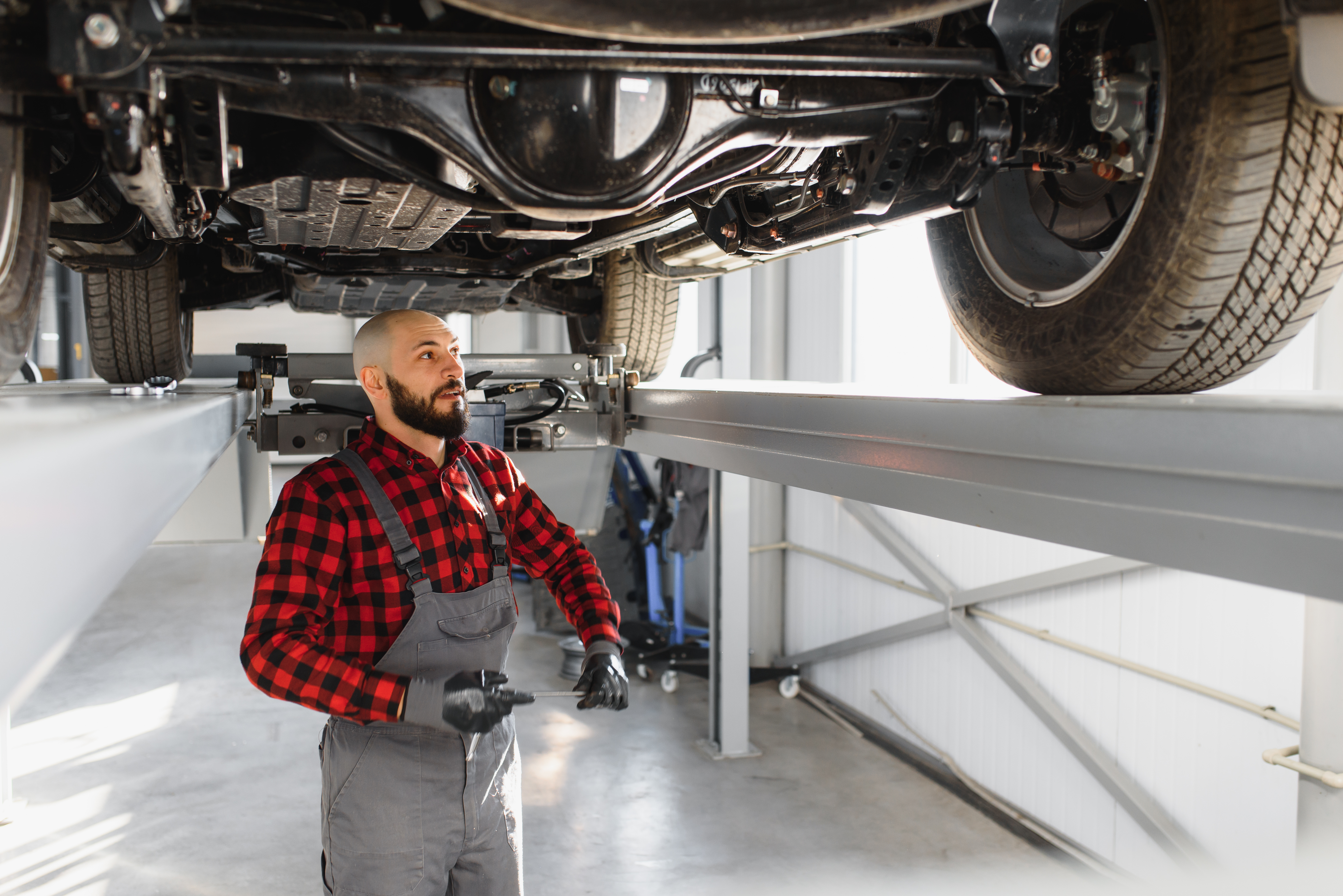
DIY checks are great, but professional winter service for used vehicles helps you catch problems you can’t see quickly. Family-owned and operated means we focus on doing the job right and communicating clearly—so you know what matters most before weather hits.
For Alliance drivers with used Audi vehicles, professional winter service is especially valuable because winter stress can reveal small issues in systems like cooling, charging, and driveline components. If you’re due for service or you’re feeling hesitation on cold starts, it’s smart to get it looked at before conditions worsen. You can book a service appointment with Stewart Automotive Group to get a winter-ready inspection performed by a team that understands pre-owned vehicles from multiple brands.
- Request a winter readiness inspection: battery load test, charging system check, and a thorough look at belts and hoses.
- Ask about a brake inspection and winter pad/rotor assessment; snow and salt can accelerate wear and corrosion.
- For Audis and other AWD vehicles, ask to have drivetrain components inspected for smooth operation under cold conditions.
- Consider scheduling service ahead of storms—wait times spike when everyone calls at once, especially after first snow events.
If you’re not sure where to start, talk to the service team at Stewart Automotive Group. We’ll help you prioritize what’s needed for Alliance winter driving so your used car stays reliable, comfortable, and safer for everyday trips.
Safety reminder: Winter conditions can change faster than your plans—drive slower than you think, leave extra following distance, and never ignore warning lights or unusual smells. If something feels off, get it inspected before heading out in icy weather.