Winter Car Maintenance Checklist for Alliance Drivers
Winter in Alliance, OH can change fast—bright mornings can turn into slick roads by evening, and cold starts can stress even a well-kept vehicle. Whether you’re commuting to work, shuttling kids to school, or heading out for errands on snowy backroads, the right winter car maintenance Alliance routine helps your car perform when conditions get harsh. If you drive a used Ford (or another pre-owned vehicle), this checklist focuses on the seasonal items that make the biggest difference in traction, reliability, and visibility.
As a family-owned, used-vehicle dealership, we see how many common winter problems start with small, avoidable neglect—so use this guide to spot issues early and keep your daily driver dependable. For Ford owners, we’ll also call out a few winter-specific reminders that match how these trucks and SUVs are often used in the area.
Battery Performance Check
Cold weather is hard on batteries, and Alliance winters can be especially demanding for starting systems. Even if your battery “seems fine,” dropping temperatures can reveal weakness.
- Check the battery terminals for corrosion and ensure cables are tight; clean any buildup so power flows efficiently during cold crank.
- Test battery health (load test if possible) and verify the alternator is charging properly; weak alternators may show up first in winter.
- Inspect the battery for cracks or swelling and confirm the hold-down is secure to prevent vibration damage on rough plowed roads.
- If you drive a used Ford, pay attention to any slow starts—many models can show early warning signs before they fully fail.
If you’re unsure what your battery status means, schedule a quick inspection at Stewart Automotive Group so we can help you avoid last-minute roadside surprises.
Tire and Tread Inspection
In snowy and slushy conditions, your tires are the most important safety feature you have. In Alliance, roads can swing between dry pavement, packed snow, and thaw-refreeze ice—traction demands change minute to minute.
- Check tread depth and look for uneven wear; a simple “penny test” can help, but measuring is even better—replace worn tires before winter deepens.
- Inspect sidewalls for cracks, bulges, or embedded debris from potholes; damaged tires can lose pressure faster in cold temperatures.
- Verify tire pressure when the tires are cold; colder mornings often mean pressure drops, and proper inflation improves grip and braking.
- Confirm your alignment and rotation schedule is current—slight misalignment can create winter-time steering issues.
For used Ford owners, many trucks and SUVs are driven hard in winter conditions—meaning tread wear can accelerate faster than you expect. If you notice pulling, steering vibration, or increased stopping distance, it’s a sign to address tires and alignment sooner rather than later.
Fluid Level Maintenance
Fluids don’t just “keep the car running”—they help it handle freezing conditions safely. Cold temperatures can thicken some fluids and reduce performance across the board.
- Check engine coolant level and condition; confirm you’re using the correct winter-rated mixture to protect against freezing and corrosion.
- Top off washer fluid with a winter blend designed for freezing temperatures common around Alliance.
- Inspect brake fluid level; cold weather and moisture exposure can affect brake performance over time.
- Look at transmission fluid and power steering fluid (where applicable) for correct levels and signs of contamination.
A quick reminder: never open a hot radiator or cooling system when it’s pressurized. If you’re not sure about fluid types or winter ratings, a professional check is the fastest way to get it right.
Windshield Wipers and Visibility
Visibility is non-negotiable in winter. Snow mist, road spray, and salt can reduce clarity quickly—especially when wipers are worn or blades don’t clear evenly.
- Inspect wiper blades for streaking or skipping; replace them if they leave lines or don’t clear the windshield smoothly.
- Test washer spray at low speeds; if the spray pattern is weak, clogged nozzles can leave you without enough clean visibility in heavy weather.
- Clean the windshield thoroughly, including the edges where grime builds; clean glass allows wipers to work more efficiently.
- Check defrost performance and make sure airflow moves where you need it—front and side windows during a cold snap are a must.
For drivers in Alliance, visibility issues often get worse during evening commutes. Using quality winter washer fluid and ensuring wipers work properly can prevent that “can’t see anything” moment when road spray hits.
Emergency Kit Essentials
Even with the best maintenance, winter can still surprise you—road closures, stuck vehicles, and unexpected slowdowns happen. A well-prepared emergency kit helps you stay safer and more comfortable while you wait for help.
- Pack a winter emergency kit: blanket, gloves, warm hat, a flashlight (or headlamp), and extra phone charger.
- Include reflective triangles or flares and a small shovel for snow if you frequently drive on rural or less maintained routes.
- Bring non-perishable snacks and water; keep them accessible so you’re not digging through the trunk during an emergency.
- Add jumper cables or a jump starter—cold mornings can make batteries fail without warning.
- For traction, consider sand or cat litter in a bag to help when tires lose grip on icy spots.
If you drive a used Ford with limited cabin space, plan kit storage thoughtfully. Keep essentials within reach, not buried under tools or bulky cargo.
Professional Winter Service Tips
DIY checks are helpful, but professional winter service can catch problems you might miss—especially once temperatures drop and components become less forgiving. If your vehicle is due for routine maintenance, winter is a great time to get ahead of the season.
- Request a winter-ready inspection covering brakes, belts, hoses, battery condition, fluid levels, and tire wear patterns.
- Have the brake system evaluated; winter driving demands strong braking and predictable pedal feel on slush and ice.
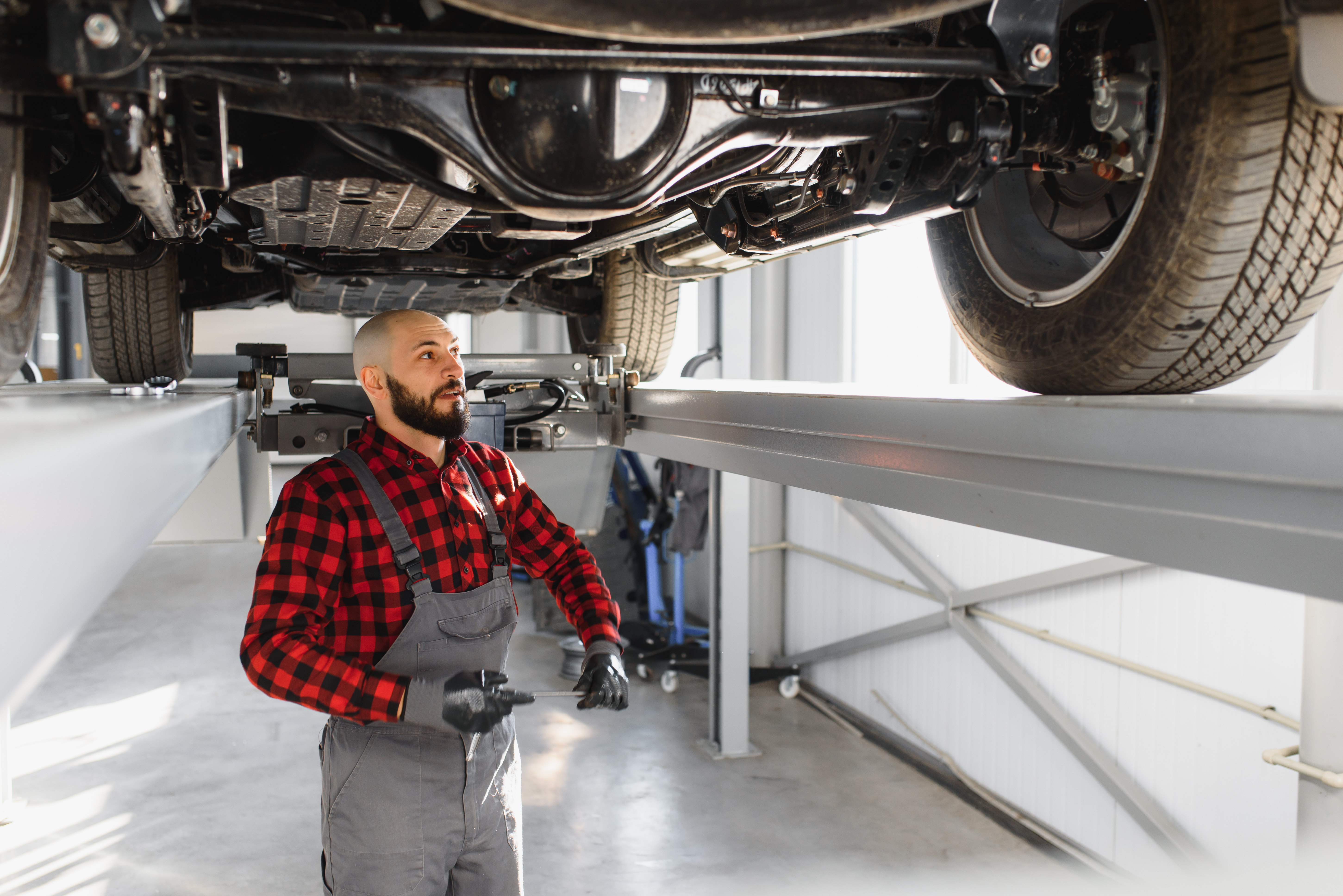
- Ask about underbody checks for corrosion or damage from road salt, potholes, and winter debris.
- For used Ford vehicles, have technicians confirm that critical winter systems—charging, cooling, and starting components—are operating within spec.
If you want a straightforward path to winter readiness, book a service appointment and we’ll help you build confidence for Alliance roads. And when you’re getting work done this season, consider timing visits early—scheduling a battery, tire, or brake check before the first major storm can be a smart move. We’re proud to support drivers across the area with quality used-vehicle service guidance at Stewart Automotive Group.
Safety reminder: Always give yourself extra stopping distance, slow down before corners, and never rely on “it looks clear” in winter weather—snow, ice, and freezing spray can change traction in seconds.