Winter Car Maintenance Checklist for Alliance Drivers
When winter shows up in Alliance, OH, it brings more than just cold mornings—it brings slower starts, slippery roads, and visibility challenges that test every driver’s patience. That’s why this winter car maintenance Alliance checklist focuses on the real stuff you can do before the snow gets heavy, so you’re not stuck troubleshooting mid-blizzard or dealing with surprise warning lights on your commute.
And if you drive a used Acura (or any pre-owned vehicle), you’ll appreciate that winter care isn’t “one size fits all.” Cold-weather strain affects batteries, tires, fluids, and even the way your car’s systems respond. Use the steps below as your seasonal routine—then swing by the Stewart Automotive Group's service center when you want an expert set of eyes on your vehicle.
Battery Performance Check
Cold weather is hard on batteries. In Alliance winters, the combination of low temperatures and frequent short trips can reduce starting power even if your battery still “seems fine.” For used Acura models, smooth starts matter because cold mornings can be when you notice weak cranking first.
- Check the battery terminals for looseness and corrosion; clean lightly if needed and ensure cables are secure.
- Test battery health with a load test (not just a basic voltage check) before the coldest weeks hit.
- Inspect the battery hold-down and surrounding area for signs of swelling, leaks, or excessive grime.
- If your vehicle sits often, plan for maintenance driving (or ask about a trickle/charging option that matches your setup).
If you’ve noticed slower cranking, dim interior lights, or a “clicking” sound on cold starts, don’t wait for it to fail. A quick check can prevent you from being stranded on a busy Alliance morning. If you’d like, you can book a service appointment and have the battery and charging system evaluated by the technicians who regularly service quality used vehicles.
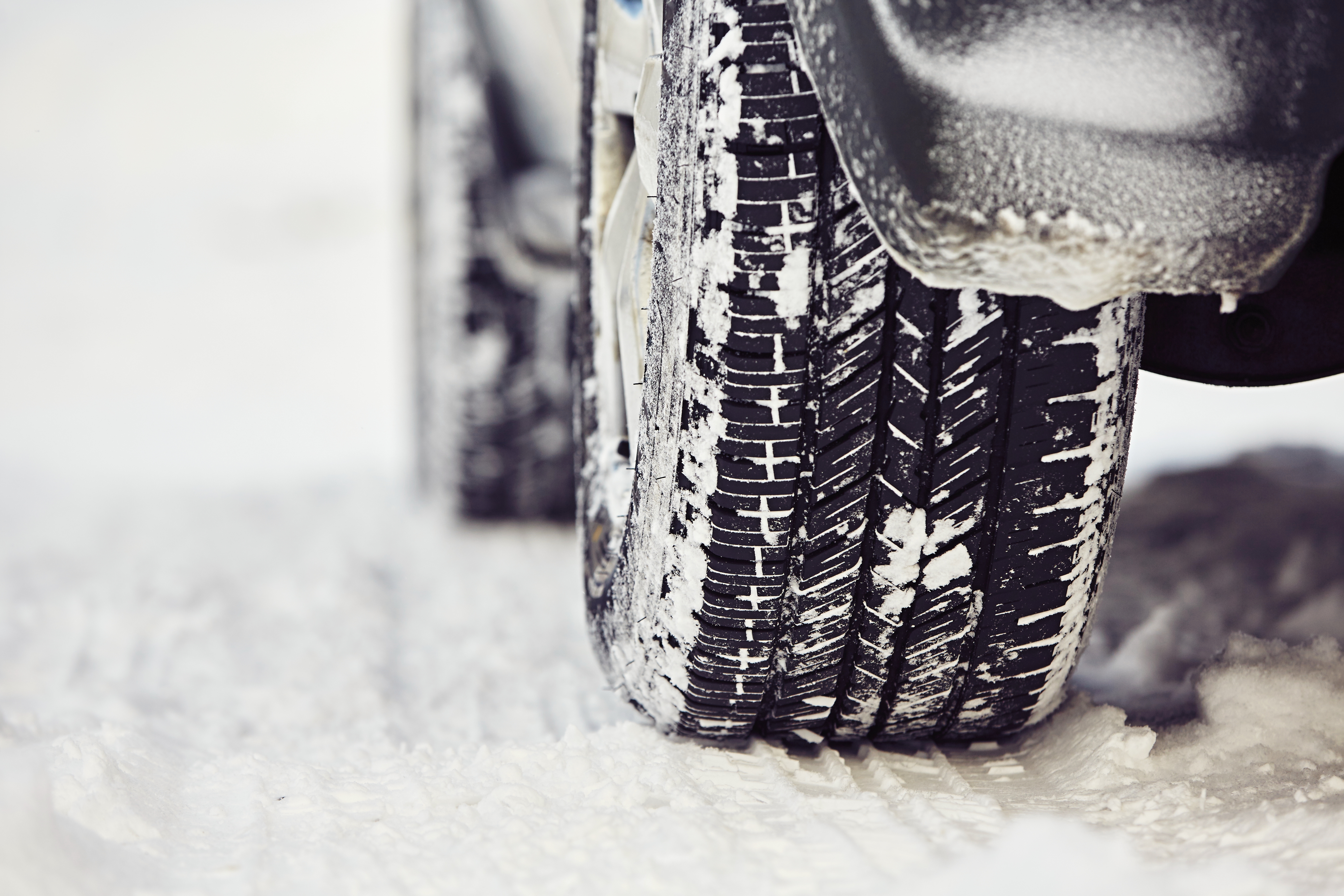
Tire and Tread Inspection
In winter, tires are your traction. In Alliance, OH, you’ll likely deal with slush, packed snow, and periodic freeze-thaw cycles that can create slick patches even after roads look “okay.” For drivers of used Acura vehicles—especially those with all-wheel drive—good tires still make the biggest difference in braking and steering confidence.
- Measure tread depth (use a gauge if you have one) and replace tires that are worn or unevenly treaded.
- Look for cracking, bulges, or sidewall damage; these issues can worsen in low temperatures.
- Check tire pressure when tires are cold; adjust to the vehicle’s door-jamb spec, not the “max sidewall number.”
- Ensure the tire tread pattern is consistent across axles (avoid mixing uneven wear if possible).
Also watch for vibration or pulling during braking and turning. That can point to alignment problems or suspension wear—issues that become more noticeable on snowy or icy roads. If you’re unsure, a winter-ready inspection can help you find the root cause before conditions force it.
Fluid Level Maintenance
Winter turns fluid maintenance into a safety task. Windshield washer fluid becomes a necessity, while coolant and brake fluid help keep key systems performing under stress. For pre-owned Acura drivers, it’s especially important to confirm the right fluid types and levels for your specific model year.
- Top off washer fluid with a winter-rated formula designed for freezing temperatures in Ohio.
- Check coolant level and condition; make sure it’s at the correct level for your vehicle and free from contamination.
- Inspect brake fluid level and consider a fluid check if you notice changes in pedal feel.
- Confirm transmission fluid (only if your car’s maintenance guide allows checking by level, not guesswork).
Here’s a practical tip: if you live near areas that salt roads heavily, consider monitoring fluids more often. Salt spray can contribute to corrosion over time, and cold weather can reveal small leaks that didn’t show up in warmer months. Catching low fluid levels early helps prevent bigger repairs later.
Windshield Wipers and Visibility
In winter, visibility can change quickly—snow flurries, blowing slush, and road grime all attack your windshield. If your wipers smear, chatter, or leave streaks, you’re not just dealing with annoyance; you’re dealing with reduced sightlines. That’s a major risk when you’re driving in Alliance during early morning commutes or evening commutes.
- Inspect wiper blades for cracking, splitting, or uneven wear; replace blades that streak or skip.
- Clean the windshield and the wiper arms so blades make full contact with the glass.
- Test wiper operation and confirm spray functionality works on a low and high setting.
- Use winter-appropriate washer fluid and keep a spare jug in your trunk for long drives.
For used Acura vehicles, pay attention to how the system performs after a hard freeze. Wipers that look “mostly okay” can suddenly struggle under ice buildup or when rubber becomes stiff. Taking a moment to inspect wipers now can save you from unsafe driving later.
Emergency Kit Essentials
Even the most prepared driver can run into delays. A stalled vehicle, a stuck tire, or an unexpected road closure can happen in any season—winter just raises the stakes. Having the right essentials in your trunk helps you handle minor emergencies more calmly and safely while waiting for assistance.
- Pack an ice scraper, snow brush, and an emergency snow shovel or compact scoop (based on your typical roads).
- Keep jumper cables or a jump starter, plus a flashlight with fresh batteries.
- Add warm blankets, gloves, and a small emergency supply of snacks and water.
- Include reflective triangles or flares and consider a fully charged phone power bank.
One more tip: check tire traction supplies. If your vehicle can benefit from it and local conditions often get deep, consider ice melt or traction aids that don’t damage your tires or surfaces. It’s also smart to keep your hat/hoodie accessible—when it’s cold outside, it’s not the time to dig through the trunk for the right item.
Professional Winter Service Tips
DIY checks are powerful, but some winter risks are hard to diagnose without tools and trained inspection. A professional winter service visit can also help extend component life—important if you’re already enjoying the value of a quality used Acura or another pre-owned vehicle from our inventory.
- Schedule a winter inspection that includes brakes, battery/charging system, and a full under-vehicle visual check.
- Ask technicians to verify alignment and suspension wear if you notice uneven tire wear or steering changes.
- Confirm your fluids match cold-weather requirements (including coolant and washer fluid spec) for your model.
- Request a tire rotation plan based on your driving habits and the tread condition you currently have.
At the Stewart Automotive Group service center, the focus is straightforward: keep your pre-owned vehicle safe and reliable through winter conditions in Alliance, OH. As a family-owned and operated dealership, we understand that drivers don’t all have the same commute, the same road conditions, or the same priorities—so the service plan should fit your real needs, not a generic script.
If you’re rolling in a used Acura, you may want extra attention on battery performance and visibility equipment, plus a close look at tires and alignment. For many drivers, the smartest winter move is combining prevention with verification: do a quick checklist at home, then confirm the details with a seasonal inspection.
Safety reminder: Before the first deep freeze, slow down, leave extra stopping distance, and never assume icy roads “feel” the same as dry pavement—if conditions worsen, choose a safer route or wait it out.