5 Ways to Boost Your Trade-In Value in Alliance
If you’re considering a vehicle trade-in in Alliance, OH, the stakes are real: your trade-in amount can reduce your payment on the pre-owned Ford, GMC, Ram, or other used vehicle you want next. At Stewart Automotive Group, we see how small decisions—especially timing—can change a customer’s trade-in value Alliance outcome in a big way.
Prices reflect OH market as of 2026.
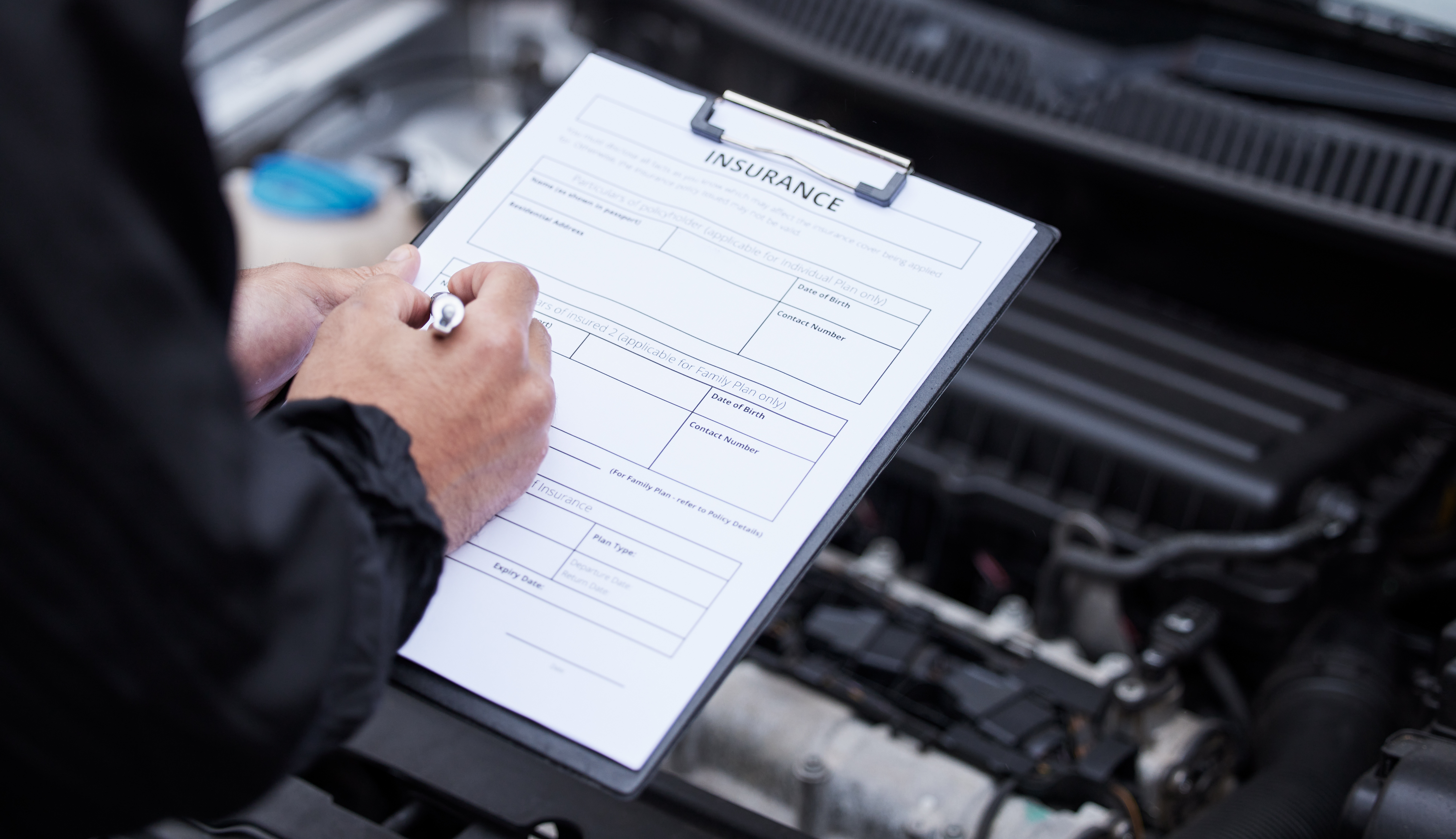
1) Keep Detailed Maintenance Records (Even for “Minor” Work)
When you walk into a dealership, the fastest way to build trust is proof. A folder (digital or paper) with oil changes, tire rotations, brake service, and any repairs helps buyers feel confident that your used Ford was cared for on schedule.
It’s not just about the work being done—it’s about the story it tells. For example, a 2019 Ford Escape with consistent records often appraises stronger than a similar Escape with unknown service history, because “predictability” is what protects car value.
Takeaway: Organized maintenance records can strengthen buyer confidence and support a higher used Ford trade-in.
2) Address Minor Repairs Before You Trade
Small issues can quietly pull down offers. A stubborn “check engine” light, a slow power window, worn wiper blades, or a leaking cap can make a vehicle feel riskier—even if the underlying problem is minor.
Strategically, repairs don’t need to be expensive. Replacing a cracked mirror cap, freshening brake pads and rotors if they’re near replacement, or fixing a non-critical warning can help your vehicle appraise closer to what the market expects for a clean, sorted vehicle. This is especially important when you’re trading toward a popular family option like a used Ford Explorer.
Takeaway: Fix the easy, noticeable problems first—small repairs often protect trade-in value more than you’d expect.
3) Clean and Detail Like You’re Selling a Vehicle, Not Just Dropping It Off
Appearances influence perception, and perception influences offer numbers. A detailed interior (vacuumed carpets, wiped touch points, clean cupholders), clean glass, and a properly washed exterior can make your used Ford feel “ready,” not “scheduled for work.”
In Alliance, where weather swings from hot to wet to chilly, customers often trade vehicles that look like they’ve lived a full life. But a simple detail can flip the narrative. If you’re also planning for fall maintenance, taking care of headlight clarity, removing road grime, and deodorizing the cabin can help your vehicle stand out during appraisal.
Takeaway: A thorough cleaning can make your trade look newer and help your vehicle trade-in appraisal reflect that readiness.
4) Research Your Vehicle’s Value Before You Negotiate
Timing works best when you understand the baseline. Before you talk numbers with a dealer, look up your vehicle’s market range using the year, trim, mileage, condition, and options. That gives you a reality check on where your car value should land.
Then match your research to the specifics: if your used Ford has newer tires, a recent battery, and service records, your trade-in value can trend higher than a comparable vehicle that’s due for maintenance. Knowing what to expect also helps you negotiate confidently—especially when you’re weighing trade options like trading your current Escape or F-150 toward a different used Ford for your next season of driving.
Takeaway: Researching your value helps you negotiate from confidence, not guesswork.
5) Time Your Trade-In Strategically Around Demand (Back to School + Fall)
Here’s the secret many drivers overlook: trade-in value isn’t only about condition—it’s also about when buyers are actively looking. In Alliance, seasonal demand can shift inventory needs for used vehicles. Around back to school, families often want reliable transportation, especially SUVs and crossovers. That increased shopper activity can create stronger offers for vehicles that match popular needs.
Planning for fall maintenance matters too. As temperatures change, shoppers become more interested in vehicles that feel prepared for colder starts—vehicles with good tires, recent brakes, and clean service histories. If you trade right when demand is rising, your used Ford trade-in may align with what buyers are ready to pay.
Finally, consider personal timing. If your current vehicle is still dependable, you can avoid rushing. But if repairs are mounting or the vehicle feels unreliable, the “best day” to trade becomes sooner than your ideal. The goal is balancing your life timeline with market momentum.
Takeaway: Trade when demand peaks and your vehicle’s condition is strongest—timing can meaningfully raise trade-in value Alliance.
To get the most out of your next step, it helps to think of your trade-in as part of your purchase plan—not an afterthought. Stewart Automotive Group is family-owned and operated, and we accept trade-ins toward quality used vehicles from multiple manufacturers. If you’re ready, bring your vehicle in and let us appraise it with the details that matter.
Ready to find out what your vehicle could be worth? Visit Stewart Automotive Group and value your trade today—so you can shop used Ford and other pre-owned options with more confidence and less guesswork.